Animate an Image with AI (Locally): Image-to-Video in ComfyUI
How to animate an image using AI on your own GPU, the one-beat rule, real-time-speed camouflage, anchor plates, and when to rent a cloud GPU instead. The Engine Room, machine three.
How to animate an image using AI on your own GPU, the one-beat rule, real-time-speed camouflage, anchor plates, and when to rent a cloud GPU instead. The Engine Room, machine three.
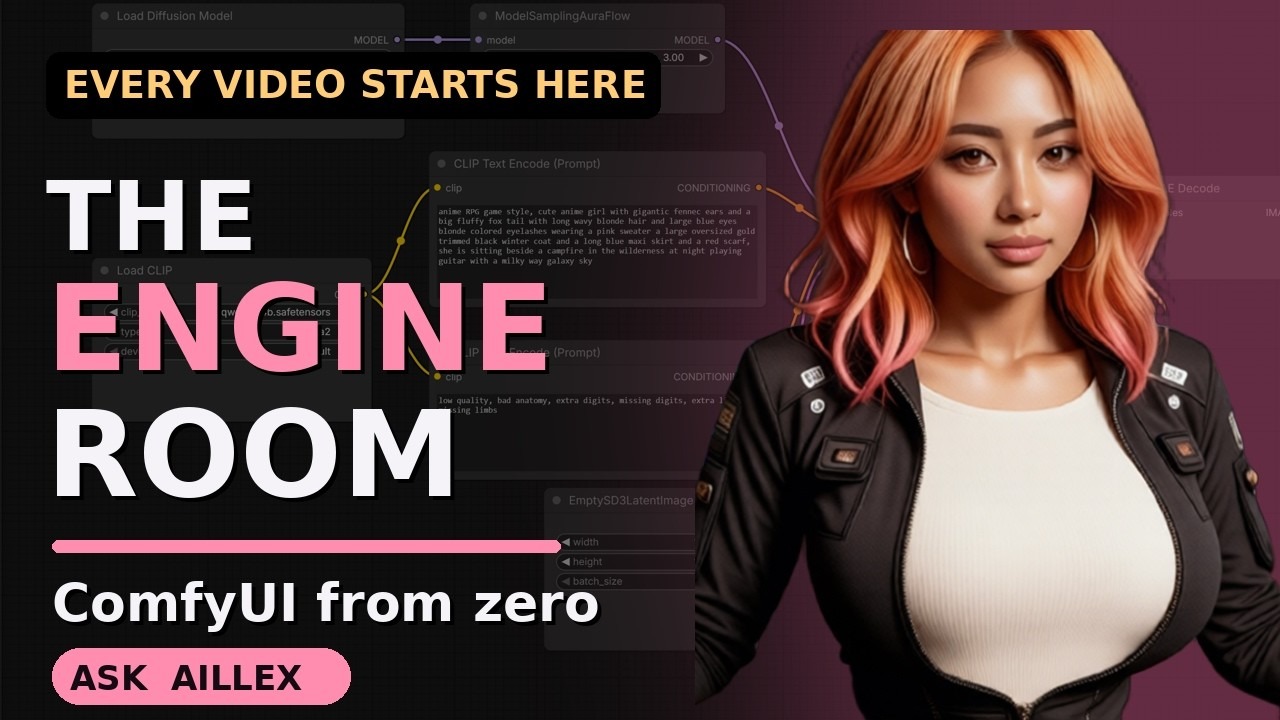
The engine room behind every image and video on this channel, install, your first render, the seven boxes that make a picture, the six dials that matter, and the door that lets scripts run it all for you.
Local instruction-based image editing: change an outfit, nudge a pose, or merge two references, while keeping face, scene, and identity intact. The Engine Room, machine two.
Turning a single character render into a textured 3D mesh on your own GPU, plate rules, remeshing reality, texture painting, and where local 3D still loses to cloud services. The Engine Room, machine five.
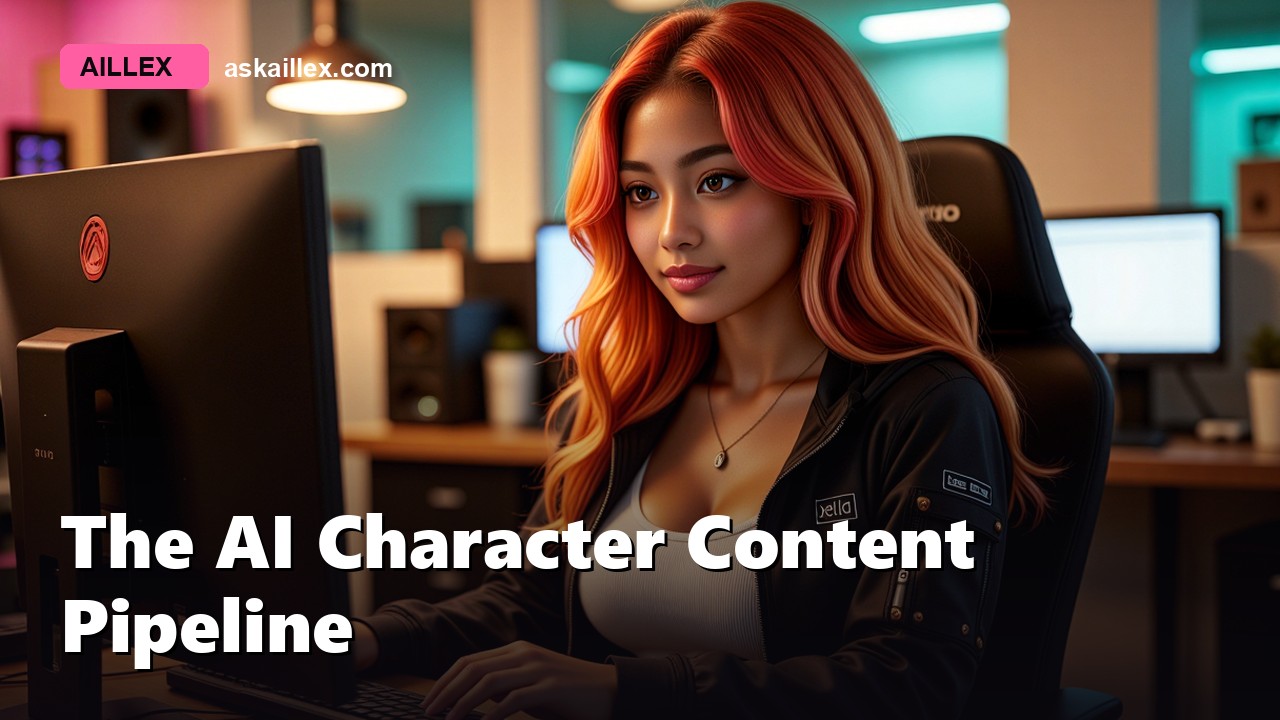
How one trained character becomes daily videos, longform episodes, thumbnails, 3D models, and a talking companion, the factory design that runs while you sleep. The Engine Room, capstone.
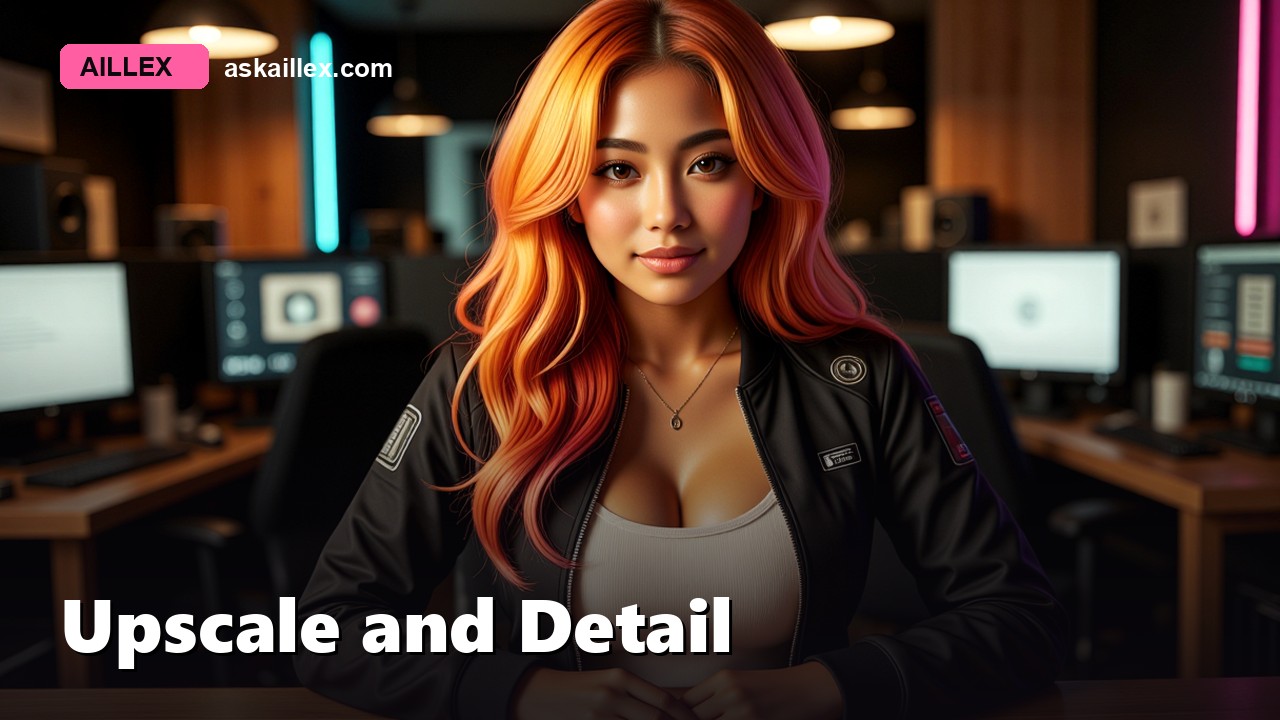
Why we generate small and finish big, upscale models in the graph, the waxy-skin trap, grain as a weapon, and the face-size rule for video. The Engine Room, machine four.

Your local model can probably already see, how to check in 60 seconds, three working vision patterns (screenshot describe, eyes for a text-only brain, live companion vision), and the three gotchas that cost us real debugging hours.

Our character’s debut music video, 18 shots, five sung sections, 2:13, rendered overnight on a single RTX 5090 for zero cloud spend. The complete pipeline: song, storyboard, renders, lip-synced vocals, beat-cut assembly.

Our 66-second monster movie, helicopter, dragons, a meta twist, cost $16 including every failed take. The full filmmaking pipeline: storyboards, cloud + local animation, score, assembly.
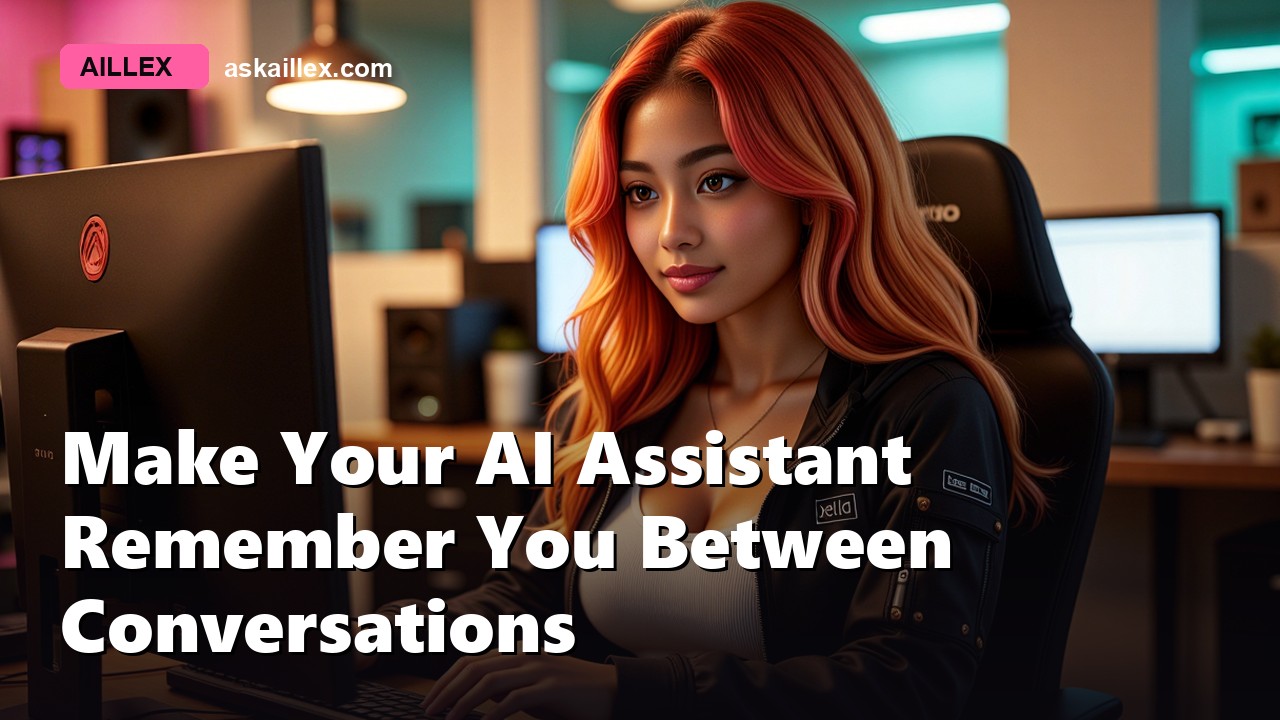
LLMs are goldfish by default. The file-based memory pattern that gives a local assistant identity, user context, and continuity, the same architecture ours runs on.